Appointments Available: Monday-Friday 8:00am-5:00pm, Saturday By Appointment Only

Appointments Available: Monday-Friday 8:00am-5:00pm, Saturday By Appointment Only
Appointments Available: Monday-Friday 8:00am-5:00pm, Saturday By Appointment Only
Appointments Available: Monday-Friday 8:00am-5:00pm, Saturday By Appointment Only
WHAT IS ELDER LAW?
People come to us every day with words like Fiduciary, Living Trust and 5-Year Look-Back Period. But do you really know what these terms mean? Paths Law Firm is dedicated to educating our clients so they are more informed and in control.
Administrator:
When someone dies without a Will, an Administrator is appointed by the probate court to administer the probate estate. The Administrator may be required to post bond and will need to file reports with the probate court. This term is not commonly used anymore in Missouri as Personal Representative is the more common global term used.
Advanced Directive:
A written and signed statement of a person’s wishes regarding their future medical treatment. These instructions are made in advance of their later inability to communicate. This is often used interchangeably when referring a Living Will, but also includes a power of attorney for health care decisions.
Annuity:
Is a contract wherein a person agrees to deposit a sum of money with a financial company and that company agrees to pay it back over time.
Assisted Living Facility:
A type of living arrangement providing twenty-four-hour care and protective oversight, including personal care services such as meals, housekeeping, transportation, and assistance with activities of daily living as needed for people who otherwise still live on their own. In most cases, residents pay a regular monthly rent and additional fees for additional services.
Attorney-in-Fact:
A person (who doesn't need to be a lawyer) authorized by another person for either a particular purpose or for the transaction of business in general. This authority is conveyed by written and signed document called a “power of attorney.” The document itself is the power of attorney. The person acting for the principal is the attorney-in-fact.
Codicil:
This is referring to the document that makes a change, modifies, or revokes a previously written Last Will and Testament.
Community Spouse:
The healthy spouse who does not require Medicaid services. The spouse is entitled to the Community Spouse Resource Allowance (CSRA).
Conservator:
One appointed by a court to have the care and custody of the income and assets of a minor or a disabled person when that person cannot make such decisions due to an illness, incapacity, or disability.
Decedent:
A person who died.
Disabled:
As used in elder law, and guardianships more particularly, refers the condition of a person who is unable by reason of any physical, mental, or cognitive condition to receive and evaluate information or to communicate decisions, so much so, that a judge believes that person lacks the ability to manage their financial resources.
Durable Power of Attorney:
A written document given by one person to another authorizing that person nominated to act on behalf of the first person. The person nominated may be referred to as the agent or attorney-in-fact and acts as a substitute decision maker for the purposes listed by law or in the Durable Power of Attorney itself. These matters may include financial and property decisions or health care decision. If the document is “durable,” as defined by law, the authority granted continues even though the person signing it later becomes incapacitated. Authority granted in all powers of attorney terminates upon the death of the principal, i.e. the one signing the durable power of attorney.
Elder Law:
A more specific area of law focusing on the needs common to seniors, elderly, or incapacitated persons. Some of the areas of elder law are more commonly described as estate planning (wills, powers of attorney and trusts), Medicaid planning, and guardianship.
Estate:
This is a very general term describing all the assets owned by a decedent or a ward and all their liabilities.
Estate Tax:
A tax calculated after a person dies based on the value of their estate. It’s quite complicated, but a person doesn’t usually need to worry about it unless their estate (and large gifts made before they died) exceeds $11.4 million per individual dying in 2019. That means an individual can leave $11.4 million to heirs and pay no federal estate or gift tax.
Executor:
The personal representative named in a Last Will and Testament to oversee the probate process for the decedent’s estate.
Fiduciary:
A general term used to describe a person or institution who manages money or property for another. Fiduciaries include personal representative, guardian, conservator, attorney-in-fact, and trustee.
Guardian:
A court-appointed individual or agency in charge of the care and custody of the person of a minor or of an incapacitated person.
Guardianship:
A legal process involving the Probate Court in which one person (ward) has been found by the judge to be incapacitated or disabled to such an extent he cannot manage his or her physical well-being. The guardian is responsible for taking care of the ward. The court appoints the guardian through a hearing.
Heirs:
Those persons, including a surviving spouse, who are entitled by law to the property of a decedent when he or she didn’t have a valid Last Will and Testament when they died.
Incapacity:
One who lacks the ability, physical, to receive and evaluate information or communicate decisions so much they cannot manage their essential requirements for food, clothing, shelter, safety or other care such that serious physical injury, illness, or disease is likely to occur.
Incompetent:
For the purposes of elder law, see Incapacity.
Independent Administration:
When a will admitted to probate authorizes or directs independent administration, either by specific reference to this section or by language providing that the estate be administered without adjudication, order or direction of the court, the letters testamentary shall provide that the personal representative therein named may administer the estate independently if the probate has no reason to judge otherwise. When a will admitted to probate prohibits independent administration, expressly or by language manifesting intent that the estate be administered under court supervision, the directions of the will shall be observed. When all of the heirs interested in an estate consent to independent administration, and the Will does not prohibit it, Letters also may provide that the personal representative may administer the estate independently.
Inter-vivos:
It is a Latin phrase that means “while living,” that is, from one living person to another. This is commonly used to describe when property rights transferred; while the parties were living, or after someone died.
Intestate:
A term used when a person dies without a valid Last Will and Testament, so their estate passes to heirs based on the laws of the state in which they lived when they died or the state where the real estate is located.
Irrevocable Trust:
A trust in which the person starting the trust (the Grantor) has not kept the power to revoke or change the trust agreement. In the more common “living trust” used for general estate planning, the Grantor keeps the power to change beneficiaries and other terms of the trust agreement.
Joint Tenancy:
Sometimes also referred to as “Joint Tenants with Rights of Survivorship.” A form of legal co-ownership of property. At the death of the first co-owner to die, the surviving co-owners hold title together and the heirs of the first co-owner to die have no interest in the title, no matter provisions made in a Last Will and Testament of the deceased co-owner. This is true for all co-owners who die, except the last co-owner. Upon the death of the next to last co-owner to die, the sole surviving of all the previous owners becomes sole owner of the property and the property interest will pass according to the provisions made in their Will.
Letters of Administration:
This is a physical document issued by the probate court evidencing an Administrator’s authority to take control of a deceased person's assets. This control usually requires presentment of Letters and the death certificate.
Letters Testamentary:
This is a physical document issued by the probate court evidencing the Executor’s authority to take control of a deceased person's assets. This control usually requires presentment of Letters and the death certificate.
Living Trust:
A revocable trust, sometimes casually referred to as a “Living Trust,” is a trust by which the terms of the trust allow the Grantor to revoke or terminate the Trust. In more unique planning situations, a beneficiary could be given the right to revoke the trust. If a beneficiary has special needs, it is important to make sure that beneficiary cannot revoke the trust. If they can revoke the trust, its assets will count toward that beneficiary’s eligibility for public benefits.
Living Will:
A document instructing relatives, loved ones, physicians, to withhold or withdraw all or specifically designated extraordinary measures, such as a ventilator, to extend one’s life in the event of a persistent vegetative state or terminal illness.
Long-Term Care:
This is the phrased used when one will require assistance, to varying levels, with their personal care needs. Assistance is required for one’s activities of daily living (ADLs), which include: bathing, dressing, toileting, transferring, and eating. Other ADLs include housework, managing money, storing and administering medication, shopping, using the phone, caring for pets, and responding to emergencies.
Look-Back Period:
This refers to the length of time looking backward in which a government agency will consider transfers without fair value received (i.e. gifts). This “look-back” occurs when a person applies for Medicaid, VA, and certain other benefits. Gifts made during the look-back period usually generate a penalty period or length of time the donor is disqualified of benefits.
Medicaid:
This is the federal term for a government health insurance system. The system administered in Missouri is called MO HealthNet. This is not the same benefit as Medicare. Medicare is an entitlement for seniors and disabled persons. Medicaid, is a health system for low asset and low income persons.
Medicaid Compliant Annuity:
Is a single premium immediate annuity (SPIA) that has no cash value and provides equal monthly income payments to the owner. Properly structured, this annuity functions as a spend-down tool that eliminates excess countable assets, allowing the nursing home resident to become eligible for Medicaid benefits. There are specific requirement that must be present in the annuity contract in order for it to comply with Medicaid laws, thus qualifying the annuity not be considered an asset, but counted as income.
Medicare:
This refers to the federal health insurance program for those over 64 years of age and certain disabled persons. This is an entitlement program that pays for certain health care expenses.
Per Stipes:
This too is a Latin phrase translated as “by roots.” This is also commonly seen as lineal descendants per stirpes, or ldps. It refers to how property rights pass when an heir or beneficiary dies before another person. If something is to pass per stirpes, it means that property that would have passed to the heir or beneficiary who died before goes to that predeceasing beneficiary’s lineal descendants. An example is if Alfred has two children (Normand and Kevin), and one of those children (Kevin) predeceased Alfred, then Kevin’s share or the item that was to go to Kevin goes to his children equally. In the end, Normand receives one-half, and Kevin’s one-half is equally shared by his two children. A per capita (Latin meaning “by head”) distribution wherein Normand would receive one-third and each of Kevin’s children would receive one-third.
Personal Representative:
This is a gender neutral term used to describe an Executor or Administrator and other types of administrators of the estate of a decedent.
Power of Attorney:
A document wherein a person (known as the principal) appoints another (known as an Attorney-in-Fact or agent) to manage the principal’s affairs. If covering business or financial matters, the document may be titled as a General Power of Attorney or a Durable Power of Attorney. The authority granted in a Power of Attorney terminates when a principal revokes it, dies, or becomes incapacitated. The Attorney-in-Fact’s authority will terminate when a principal dies, but if the Power of Attorney is “durable,” it remains effective after the principal loses capacity.
Probate:
The personal representative named in a Last Will and Testament to oversee the probate process for the decedent’s estate.
Public Administrator:
Is a county official who is appointed by the judges of the circuit court or elected by the county’s citizens, depending on the particular county. He or she is a public fiduciary the court may appoint as a person’s guardian, conservator, or personal representative.
Refusal of Letters:
In certain cases, the probate court can “refuse” to grant letters and allow the surviving spouse (or unmarried minor child) to transfer property title. This can be useful for a surviving spouse (or unmarried minor children) for statutorily exempt property or for creditors when the estate is relatively small in value.
Skilled Nursing Facility (SNF):
A facility providing twenty-four-hour skilled nursing care and treatment services. Skilled nursing care and treatment services are those services commonly performed by or under the supervision of a registered nurse for persons requiring twenty-four-hours-a-day care. This includes observation, care and counsel of the aged, ill, injured or infirm, the administration of medications and treatments prescribed by a physician, and other nursing functions requiring substantial specialized judgment and skill.
Tenancy by the Entireties:
A form of joint ownership only between husbands and wives. Owning an asset as tenants by the entireties can be an effective form of asset protection against creditors.
Testamentary Capacity:
Basically, in order for a Last Will and Testament to be valid, the person making it must not be pressured (unduly influenced), not make a mistake in the Will, and they must have testamentary capacity. This describes the mental or cognitive ability to make a Last Will and Testament, durable powers of attorney, or various other estate planning documents. Essentially, if a person knows who their family members are and the relationships, generally what assets they own, and generally they can explain what the estate plan documents accomplish, they are more likely to be considered having testamentary capacity.
Trust:
This is really an agreement between a Grantor and a Trustee. In the agreement, the Grantor transfers asset titles to the trust and provides instructions on how those assets are to be managed; the Trustee agrees to manage the assets the way the agreement states. The Trust Agreement will provide terms and conditions on a beneficiary’s use (e.g., for education).
Will:
A legal document designating how a Decedent wants his or her property distributed following the Decedent’s death.
GET IN TOUCH











MAIN OFFICE
OVERLAND PARK
NORTH KANSAS CITY
816-524-7999
2029 Burlington St
North Kansas City, MO 64116
By appointment only
888-512-9247 (fax)
APPOINTMENTS
Monday – Friday
8:00am – 5:00pm
Saturdays
Appointment Only
RESOURCES
DISCLAIMER
The choice of a lawyer is an important decision and should not be based solely upon advertisements. The use of this website does not create an attorney-client relationship. Please contact Paths Law Firm directly.
We improve our services and advertising by using Microsoft Clarity. By using our site, you agree that we and Microsoft can collect and use this data. Our privacy statement has more details.
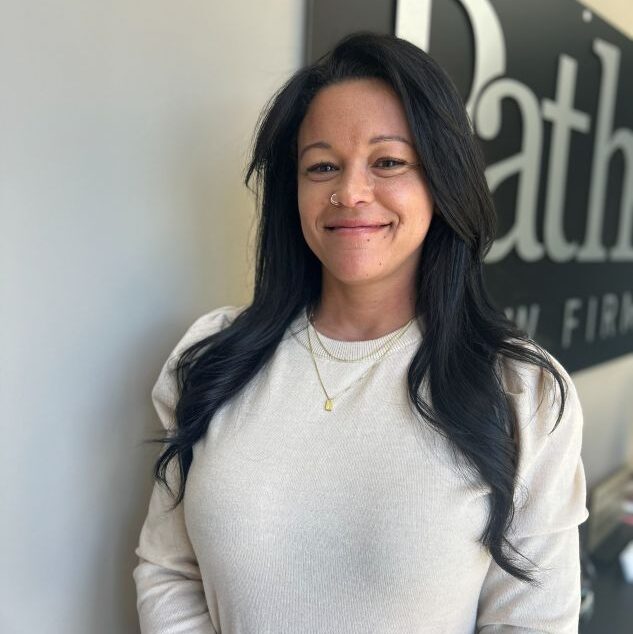
Jennifer serves as an Estate Planning Paralegal, providing comprehensive support to the firm’s attorneys and clients. She assists in the preparation of wills, trusts, powers of attorney, and other estate planning documents, ensuring accuracy, clarity, and alignment with each client’s objectives.
Before transitioning into estate planning, Jennifer gained extensive experience as a Family Law Paralegal, this background enables her to navigate sensitive client circumstances with professionalism, discretion, and a strong understanding of family dynamics.
Jennifer is recognized for her attention to detail, strong organizational skills, and commitment to delivering a thoughtful and reassuring client experience. She approaches each matter with integrity and a focus on ensuring clients feel informed and supported throughout the process.
Outside of the office, Jennifer enjoys practicing yoga, watching sunsets, and spending time in nature—activities that provide balance and inspiration in her personal life.
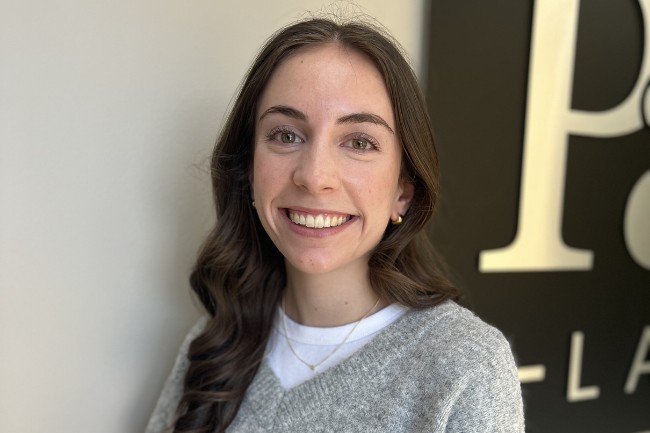
Peyton serves as the Assistant to Russell Fracassa, bringing dedication, reliability, and compassion to her role at Paths Law Firm.
With prior experience supporting small businesses in administrative and operational capacities, she has developed strong organizational skills and a sharp attention to detail that help ensure both attorneys and clients are well supported.
She is currently studying at the University of Missouri–Kansas City as an Honors Student, demonstrating a strong commitment to excellence in both her academic and professional pursuits. Peyton’s work ethic and drive are reflected in the care she brings to each task and interaction.
Outside of the office, Peyton enjoys spending time with her family, reading, and exploring new places.
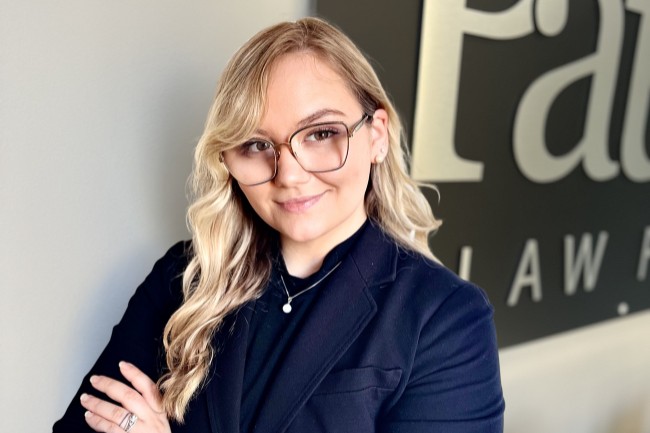
Shaye entered the field of civil law in 2022 and has quickly developed a strong foundation in client service and legal support.
Her academic background includes an Associate of Science degree in Healthcare Services and Informatics Administration and a Bachelor of Science in Interdisciplinary Studies, with an emphasis in Health and Human Services, Social Sciences, and Humanities.
This unique blend of legal experience and healthcare-focused education allows Shaye to approach her work with both analytical precision and genuine empathy — especially when supporting families navigating complex and sensitive situations.
Outside of the office, Shaye enjoys spending time with her husband and their one-year-old daughter. Whether she’s baking sourdough, working on arts and crafts, or enjoying time outdoors, she values creating meaningful moments with her family.
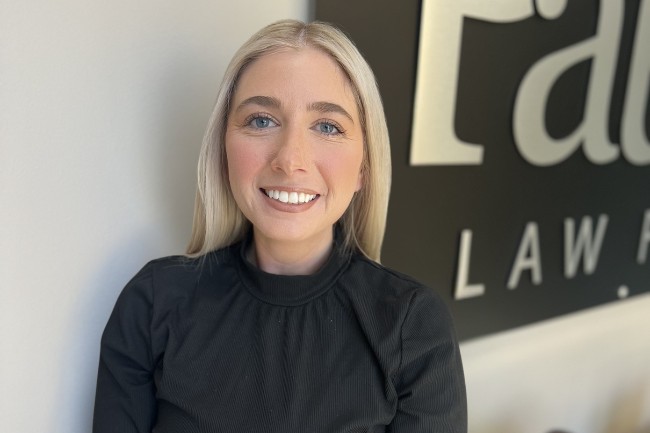
Malia serves as the first point of contact for many of our clients, helping create a welcoming and supportive experience from the very first phone call. As our receptionist, she assists with scheduling, communication, and ensuring that each interaction reflects the care and professionalism our firm values.
She understands that many families who contact our office may be navigating stressful or uncertain situations, and she strives to make every conversation feel comfortable and reassuring.
Outside of work, Malia enjoys spending time with her husband and their two children. She loves reading, watching movies, and baking with her kids — creating meaningful memories both at home and at work.
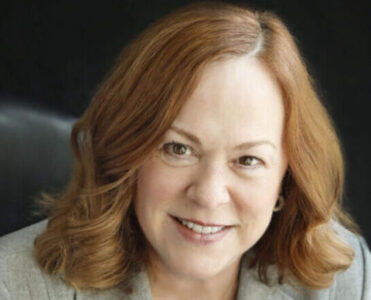
Janeece Dent-Bennett was born in Lexington, Missouri, in 1960 and graduated from Lexington High School in 1979. She graduated with a Bachelor of Science in Business Administration with a major in Accounting from University of Central Missouri in Warrensburg, MO in 1982.
In 1985, Janeece graduated with distinction from the University of Missouri-Kansas City School of Law.
Upon graduation from law school, Janeece joined the former Shughart Thomson & Kilroy, P.C. law firm (now Polsinelli) in Kansas City, Missouri, with a primary practice in corporate and business law.
She started her own law practice in 1989 and has since practiced law in Lee’s Summit, Missouri, serving clients throughout the state of Missouri with a primary emphasis in Wills, Trusts, Estate Planning, Probate, and Business Transactions.
Janeece is married and has 3 children. Jillian Dent is an attorney in Kansas City, Missouri. Nathan Dent is a Certified Public Accountant in Denver, Colorado. Andrew Bennett is an Electrical Engineer in North Kansas City, Missouri. Her husband Mark Bennett is an IT specialist contractor for the USDA.
Recently, Janeece closed her former solo law practice of 36 years and joined Paths Law Firm in Lee’s Summit, MO as Of Counsel.
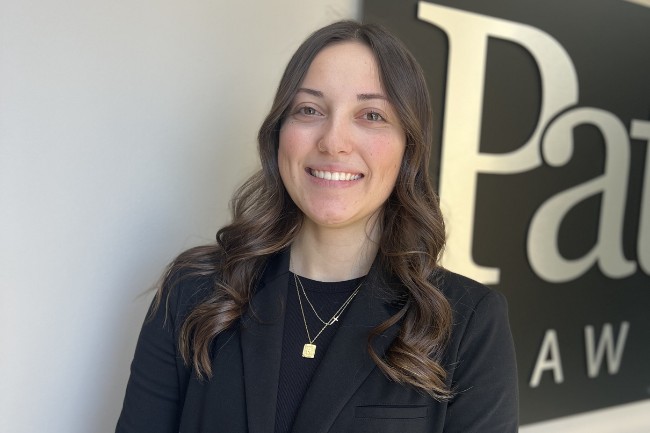
With a strong background in customer service and a passion for helping others, Reese brings dedication and a positive attitude to her role as a Legal Assistant at Paths Law Firm. She supports the team by managing client correspondence, organizing policies, and stepping in wherever needed to ensure clients receive the highest level of care. Known for her strong work ethic and adaptability, Reese is always ready to tackle new challenges and contribute to the firm’s mission.
Reese is currently enrolled in the Honors Program at the University of Missouri–Kansas City, where she continues to pursue academic excellence. Outside of work and school, she enjoys spending time outdoors and cherishing meaningful moments with her family and friends. Her enthusiasm, reliability, and drive make her a valuable part of the Paths Law Firm team.
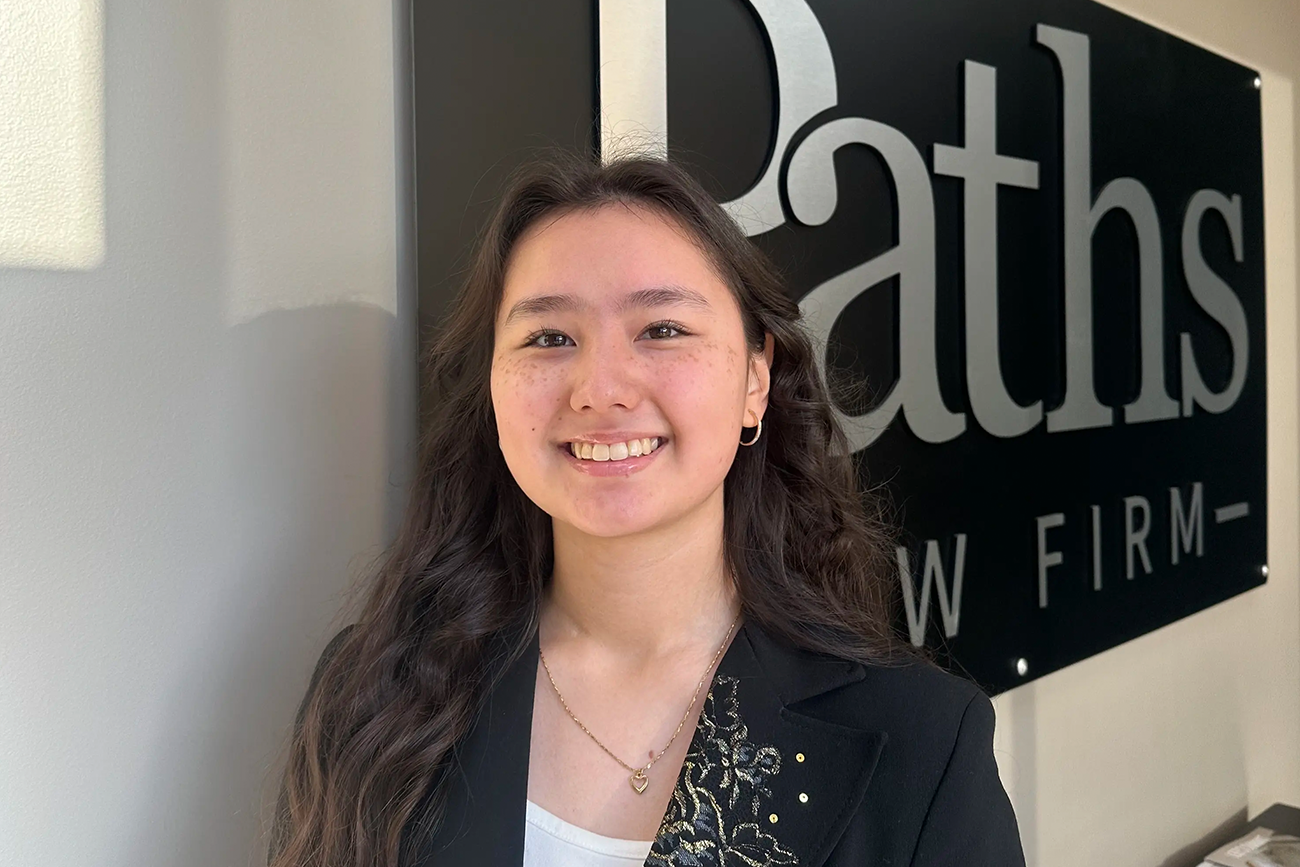
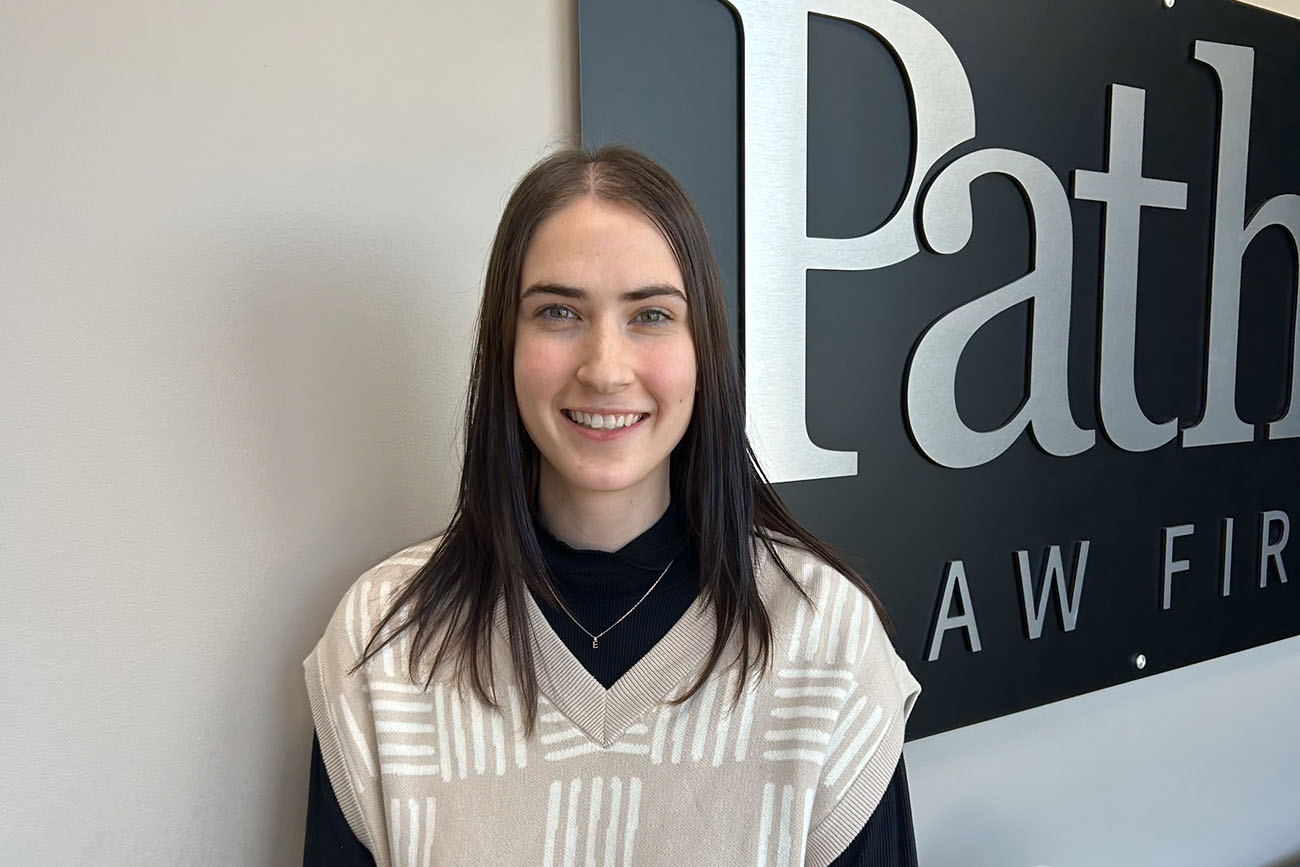
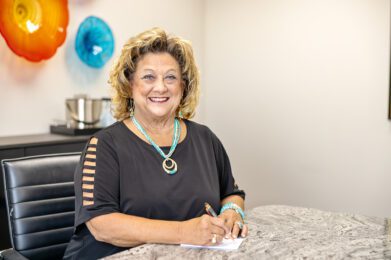
Jeane Fracassa – a dedicated and accomplished professional who retired with an impressive 38-year service record from the Kansas City Missouri Police Department. Throughout her illustrious career, Jeane served as a Civian Supervisor in the Communications Unit, where she played a pivotal role in ensuring efficient and effective communication within the department.
Even in retirement, Jeane’s commitment to community service remains unwavering. Currently, she serves in various capacities within Community Relations at Paths Law Firm. Actively engaged in the Lee’s Summit and Overland Park communities, she proudly represents the law firm.
In all aspects of her life, Jeane Fracassa exemplifies the values of community, compassion, and family. Her commitment to making a difference and her love for exploration make her a remarkable individual, whose presence brightens the lives of those she encounters. Whether at work, with family, or during her travels, Jeane’s genuine care for others and her zest for life make her a truly remarkable and inspiring person.
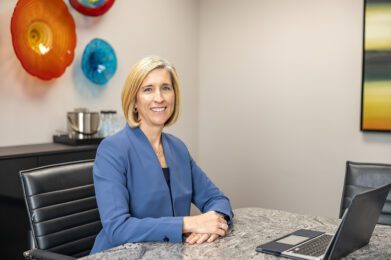
Kathleen Overton is an attorney and owner at Paths Law Firm. She has more than 17 years of experience advocating for those with special needs and navigating the state and federal agencies formed to help the disabled and elderly. At Paths Law Firm, Kathleen’s practice focuses on helping the elderly qualify for nursing home Medicaid, creating estate plans to protect beneficiaries, as well as a lot of time planning and forming businesses. Kathleen also enjoys helping clients form non-profit organizations and obtain 501(c)(3) tax exempt status.
After attending law school at the University of Oklahoma, Kathleen began representing clients before the Social Security Administration. Eventually her practice switched to federal court appeals and Kathleen spent years representing clients before the Eastern and Western District of Missouri, the District of Kansas, and the Eighth Circuit Court of Appeals. Kathleen has since focused her practice on estate planning and elder law after watching clients struggle to find ways to financially care for loved ones with special needs or aging parents.
Kathleen lives in the Northland with her husband and four children. She spends her free time attending soccer matches and ballet performances with her children and starting endless home improvement projects with her husband.

Sydney serves as the Director of Operations at Paths Law Firm, overseeing the firm’s internal processes, team coordination, and strategic initiatives. Since joining the firm in 2017, she has grown from an experienced paralegal and internal accountant into the central force behind the firm’s operational excellence.
She graduated with honors from the University of Missouri–Kansas City in 2022 with a Bachelor of Science in Accounting. Sydney is also a proud alumni member of Bloch Launchpad, Phi Theta Kappa, and the National Honor Society.
Outside of the office, Sydney enjoys spending time with her husband, reading, baking, and going on long walks.
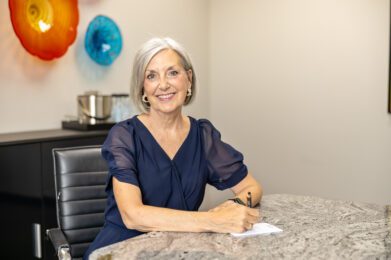
René is the Financial Manager at Paths Law Firm overseeing all aspects of revenue, expenses, and financial planning. She is also responsible for general office management, including assisting in many of the administrative matters that periodically arise.
René earned her Bachelor of Science in Hotel and Restaurant Management from Central Missouri State University in Warrensburg, Missouri and soon thereafter worked her way through management at The American Restaurant where she worked almost 17 years before relocating to the country of China.
In her spare time, René is currently quite active managing multiple generations of her family, including parents and grandkids. René has had great impact on the lives of many women teaching discipling and teaching and abundance of Bible Studies. Her former career in management and event planning trained her well to juggle all the activity.

Hilary plays a vital role in managing the Marketing Department at Paths Law Firm. She is excellent at bringing new ideas and sharing valuable resources with the law firm and our community. Hilary has been with the law firm since the beginning, working in nearly every role which is invaluable in her marketing endeavors as she brings a unique set of skills into the Marketing Department.
Hilary is nearly complete in her Bachelor’s of Arts Degree in Marketing at Park University. She has earned the honor of being listed in National Honors Society, Phi Theta Kappa, and the Dean’s List. Hilary is always looking for new and innovative ways to share the law firm’s message.

When asked what he wants to do, his reply was “I just want to sit at the kitchen table and work directly with people.” Rusty enjoys working with clients providing experienced advocacy and supporting them through their unfamiliar and overwhelming situations. Due to all the challenges faced by seniors, it is essential to work with an experienced elder law attorney who has expertise in the law, issues, and concerns affecting seniors and their families.
Rusty brings more than 30 years legal experience and expertise working for seniors and their families as an elder law attorney in Kansas City and surrounding. Prior to law school, Rusty was an accountant and his first couple years practicing law was as a tax attorney. This provides invaluable experience in his current practice of law. Rusty’s focus is helping protect seniors’ assets from taxes and long-term care costs, benefit qualification, and navigating more complex family scenarios in their estate planning.
Rusty has personally experienced the loss every parent fears, caring for a spouse suffering with cancer and the treatment, and working with aging parents through all stages of their lives. He intimately understands the challenges faced by individuals and their caretakers when capacity or health declines, how to prepare for it, and the legal matters while in the midst of it. He may not be able to eliminate his client’s grief, but he strives to provide clients with peace of mind.
In 2010, Rusty’s faith and love led him and part of his family to China as Christian missionaries. He and his wife, went permanently, but ended up dedicating 3 years to that ministry. They returned to Missouri to help with grandchildren after a family tragedy and later began anew with Paths Elder Law. The goal is providing compassionate care through legal advocacy.
Rusty has multiple degrees and advanced study spanning his Bachelor’s of Arts in Business Administration – Accounting at Rockhurst College (now Rockhurst University), Masters of Arts in Accounting and in Intercultural Studies, as well as his Juris Doctorate from the University of Missouri at Kansas City School of Law.
When Rusty is not practicing law, he enjoys spending time with his family, grandchildren, and excessive eating at local restaurants.
Practice Areas
BSBA and Master’s in Accounting, Master’s in Inter-Cultural Studies, and Doctorate in Juris Prudence
Admissions to Practice
Professional Memberships and Affiliations